 English

Absorptive materials are substances that can absorb or substantially weaken the energy of electromagnetic waves incident on their surfaces, thereby reducing electromagnetic interference. These materials are created by physically refining alloys and subjecting them to magnetic field treatment to form magnetic alloys with high magnetic permeability. These alloys are then uniformly dispersed within polymer matrices to form composite materials.
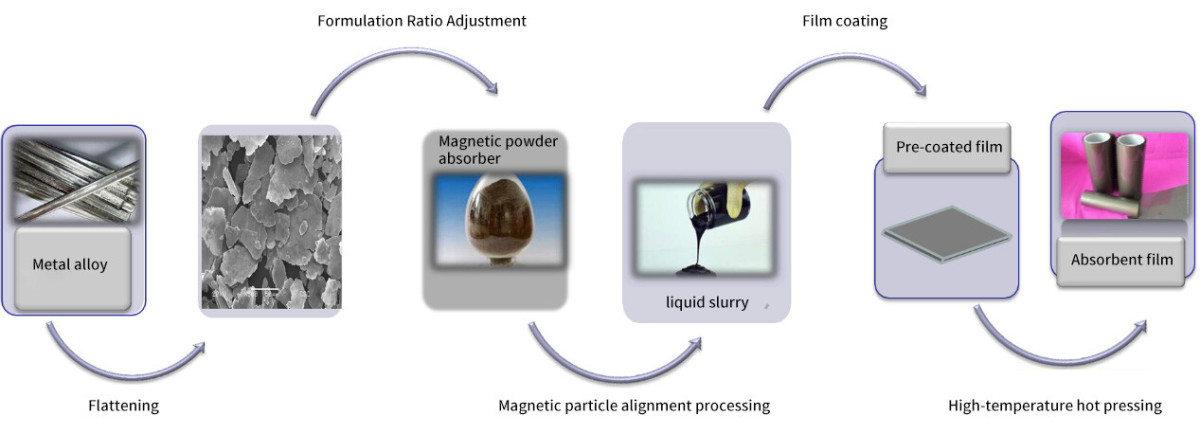
Typically composed of a substrate material and a loss medium. Small polar molecules absorb and dissipate microwave energy. Leveraging the principle that electromagnetic waves propagate from low magnetic permeability to high magnetic permeability within a medium, ferrites with high magnetic permeability guide the waves. Through resonance, they absorb substantial radiated electromagnetic energy, which is then converted into thermal energy via coupling.
Electromagnetic waves induce currents within the material. These currents encounter resistance during internal propagation, converting into thermal energy. Higher electrical conductivity results in larger macroscopic currents (induced by electric fields and eddy currents from magnetic fields), facilitating more efficient conversion of electromagnetic energy into heat.
Based on material loss mechanisms, absorption can be categorized as:
1. Resistive loss: This absorption mechanism relates to the material's conductivity. Higher conductivity generates larger macroscopic currents induced by charge carriers, facilitating greater conversion of electromagnetic energy into heat.
2. Dielectric loss: This is a type of loss absorption mechanism associated with electrodes. It involves the “friction” effect generated by repeated polarization of the dielectric material, converting electromagnetic energy into heat and dissipating it.
3. Magnetic loss: This absorption mechanism pertains to magnetic dissipation associated with the dynamic magnetization process of ferromagnetic materials. It can be further categorized into: hysteresis loss, damping loss, eddy currents, and magnetic after-effects. Primary sources include magnetic domain switching (similar to hysteresis mechanisms), magnetic domain wall displacement, and natural resonance of magnetic domains.
Figure 1 illustrates the path of electromagnetic waves through absorptive materials. As shown, a portion of the incident wave is reflected upon reaching the material surface, while only the portion penetrating the material interior can be attenuated. Thus, high-quality absorptive materials exhibit minimal electromagnetic wave reflection, instead absorbing and fully attenuating the waves internally. To effectively “trap electromagnetic waves inside,” a material must satisfy the two fundamental conditions described above. These conditions serve as the guiding principles for scientists designing absorptive materials.
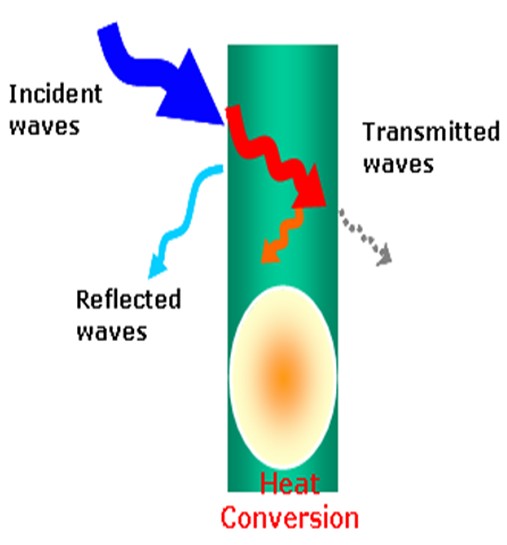
Figure 1: Propagation Path of Electromagnetic Waves in a Damping Medium
MINORU Absorber Products
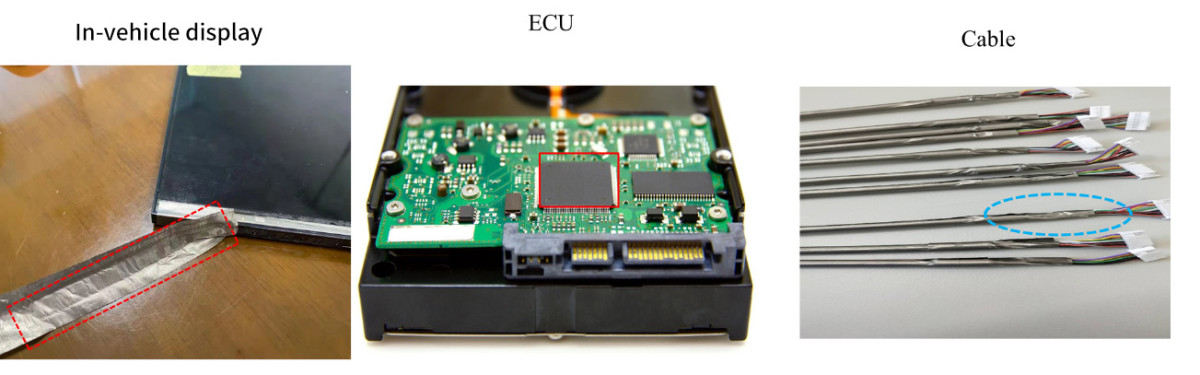
Our absorbers can be used independently or combined with other materials based on specific application requirements. For instance:
- When used in automotive display bezels, composite conductive absorbers not only resolve EMI issues but also provide electrostatic discharge functionality.
- Combining absorbers with PET improves their resistance to bending, addressing inherent flexibility limitations.
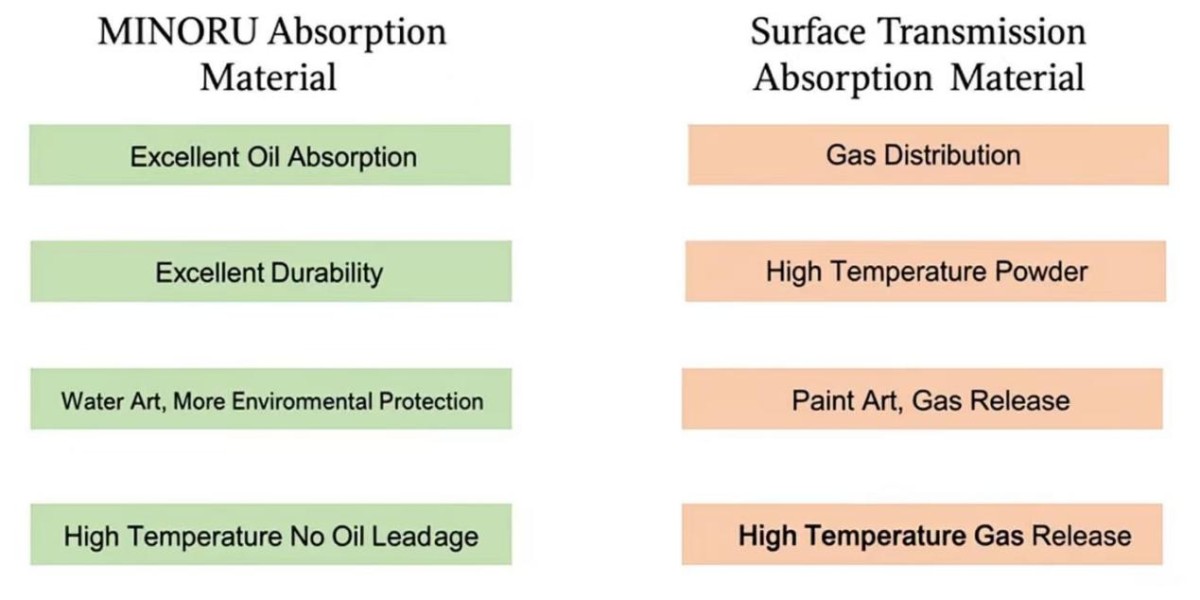
MINORU's absorbers differ from conventional absorbers on the market in that we utilize modified acrylic, which meets stringent automotive standards. It does not powderize or release siloxanes at high temperatures, thereby providing superior protection for automotive-grade chips.
Online Message
Please give us a message